
Before my amazing coworker Sabrina invited me to donate blood at a work-sponsored drive, it had never crossed my mind as a real thing I could do. Volunteering to be poked with a needle was like skydiving or bungee jumping. An activity for other, braver people.
Sabrina quickly dismissed my objections, and those of our whole department.
You won’t feel the needle after they set it up.
You’ll be fine after.
If you get woozy, I’ll be there.
Bolstered by reassurances and seduced by the lure of a paid hour off work, we bought in like drunk vacationers at a timeshare presentation. On the day of the drive, our department left en masse to donate.
I answered many questions to determine my eligibility, had a mini-physical (heart rate, blood pressure, hemoglobin), and took my place in the donation chair. I had a pleasant chat with the phlebotomist as she poked my arm and set me up. As she walked away, I watched my blood travel down the plastic tubing, and I realized the considerable volume of a pint.
I did freak out.
I was losing blood! Bleeding more than I ever had in my life!
My inner nerd kicked in immediately.
How many games have I played with a dwindling health bar, hearts lost one after another, HP decreasing round by round? I was putting a little bit of life on the line to save the day. Fiction had prepared me for blood loss!
My fear subsided as soon as I closed my eyes. I was fine. I’ve never looked at the needle again in subsequent blood donations. You don’t have to look!
I ate my cookies and drank my apple juice after. I didn’t faint. I was fatigued that day and felt normal the day after. I found out a week later my blood type is O+, the most common type.
I changed jobs and fell off during the pandemic. I remembered my love for blood donation when my cholesterol came back high a couple years later during my physical. I searched online to see if I could hack my way to healthy levels by generously giving away a pint of my overly rich blood. The research seemed to suggest that it wouldn’t hurt, and I figured since I love donating blood anyway, it was time to get back in the chair. I just had to figure out how to donate blood when I couldn’t simply reply to a work email and walk down to the conference room for an hour of rest and relaxation.
Living in the USA, I found my nearest blood drive would be with the American Red Cross, so I downloaded their app. The Red Cross Blood Donor App takes the nerdy fun of losing some HP at a blood drive and levels it up with achievements, points, swag, stats, and even a map!
Scheduling your appointment is the first adventure – check out all the blood drives near you. Find the weirdest possible places to donate. I donated at the site of the old video game store in our dying mall, for example. Or you could visit the same drive a few times and enjoy the home-made cookies and dirty jokes provided by the snack table grandma who is glad to see you back again. Or min-max! I find if I go to the Red Cross building near me, the swag is more plentiful.
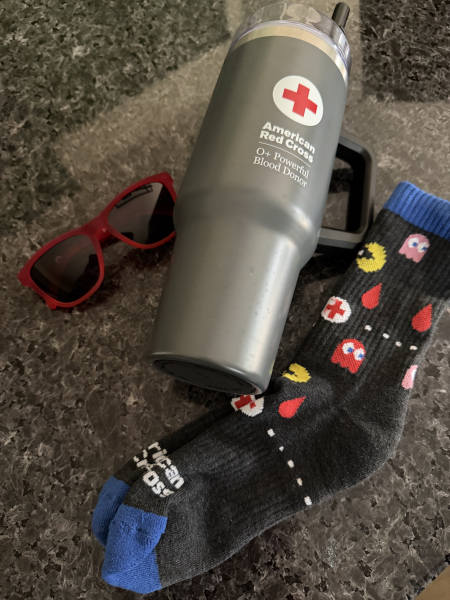
Yes, the swag. Pac-Man socks, cute red sunglasses with my blood type on the side, an excellent umbrella, a massive water bottle, and enough T-shirts for a week’s worth of workouts. Last time I donated, a supervisor walked through, handing out Subway gift cards to donors and phlebotomists alike, our benevolent sandwich king. Points add up throughout the year and can be cashed in for gift cards or branded merch each January, too.
The app shows you your donation dates, charts your health data, and tracks how much blood you’ve donated over time, first in units, and then in gallons. You earn badges for donating near holidays or during certain seasons (some with good reason- the blood supply dips during the winter and summer holidays).
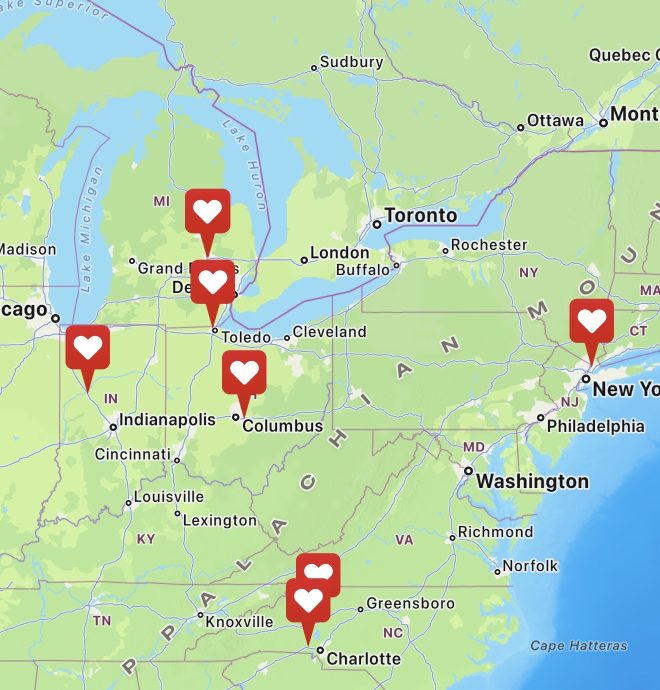
Best of all, about six weeks after you donate blood through the Red Cross, your Donation Destination Map will update with the hospital that received your donation. A little red heart joins the map, the one heart of health that you gave to a stranger.
Who gets your blood donation? Many units go to the people you’d expect- trauma victims, those losing blood in childbirth, or surgery patients. Donated blood helps those who suffer from sickle cell anemia and people undergoing cancer treatment. A solid blood supply allows surgeries to be scheduled safely, even if the surgery doesn’t end up requiring transfusion.
You can be a hero! You can save someone, heal someone, keep someone safe, no magic required.
Blood donation isn’t for everyone. There are medications that prevent you from donating, and travel destinations that will sideline you. If you suffer from some conditions, you can’t donate, and you’ll be asked questions about your drug use and sexual history. Historically, the FDA screening guidelines were biased against men who have sex with men, though this has changed in the US since 2023. Some people simply don’t have cooperative veins, and others faint at the sight of blood. Don’t feel bad if you’re unable to donate. There are countless ways to make a difference every day. But if you, like me, are eligible to donate blood and just never thought about it before, why not give it a try, my heroic nerd?
Tips from a repeat donor:
I find my donation goes better if I drink a big ol’ sports drink the day before and day of donation, like Gatorade, Powerade, or Aquarius.
Have a good meal a few hours before you donate! This can reduce your chance of feeling light-headed.
Visit r/blooddonors on Reddit – it’s inspirational!
For those on the Red Cross Donor App- join a team! I’m on the Dungeons and Dragons team, of course, but there are tons to choose from! There could be a team for your city, your employer, your school.
You can become anemic if you donate on the schedule allowed by the US Red Cross (roughly every eight weeks), particularly if you menstruate. Use caution and space out donations to protect your health. I only donate 3 or 4 times a year and still have been deferred for low hemoglobin. If you’re ever concerned, check with your doctor!
Anyone have a donation side-quest they’ll never forget? Does anyone from other countries have information on the fun of donating blood in your area? I only wish I’d been a blood donor back when I lived in Japan, for example. I’d love to hear about your adventures!

